Preservation of compound integrity under degradation-inducing conditions
Held under heat, light, oxidation and pH stress, the stabilized compound retains its structure through the evaluation period.

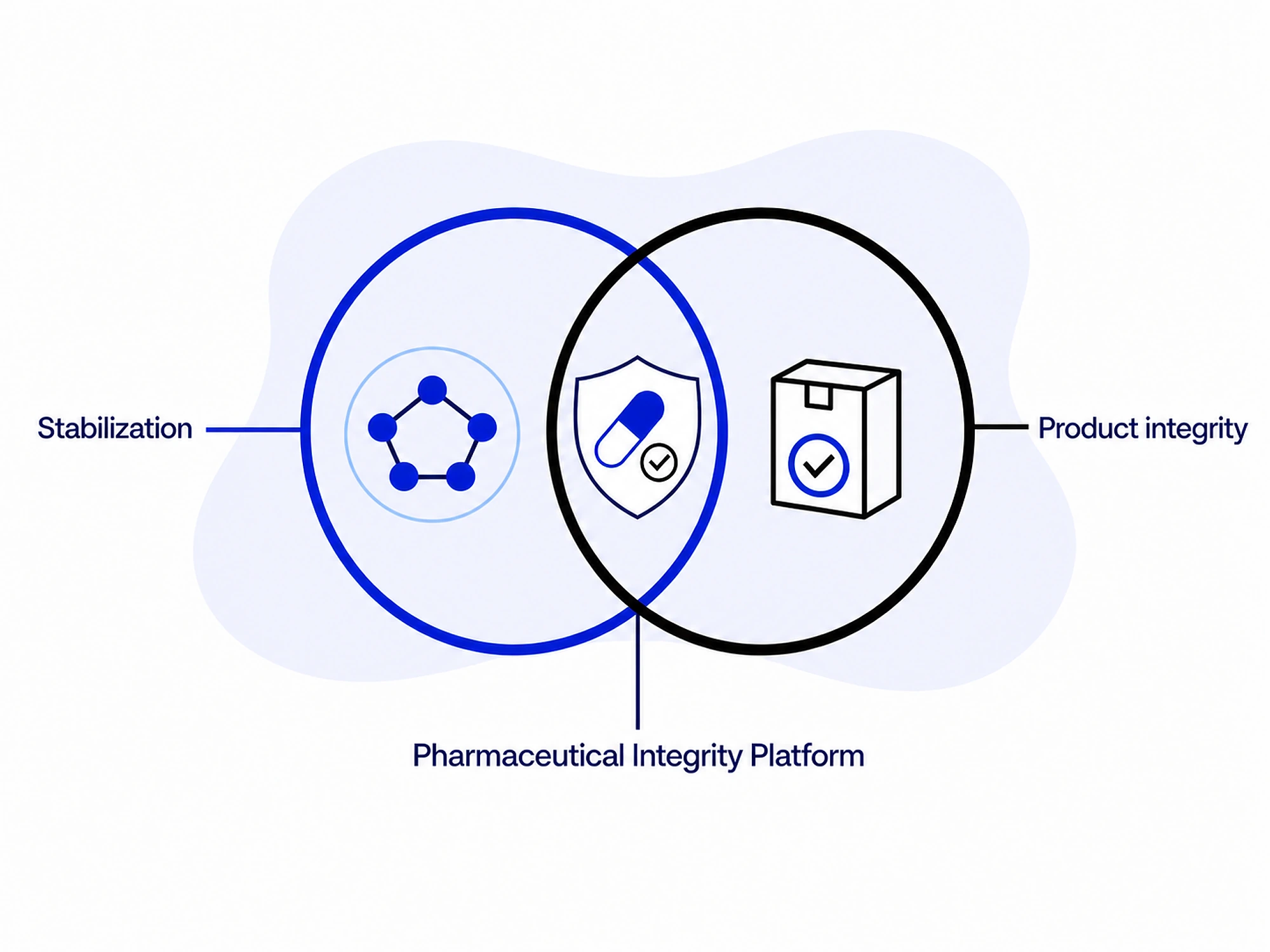
Two licensable engines. One holds the compound stable, the other proves what the material is and where it has been.
Independently deployable capabilities with complementary value when integrated. Neither engine replaces the other.
Engine One
Proprietary stabilization of isolated plant-derived compounds, preserving chemical integrity through handling, storage and formulation.
Engine Two
Material-based identity verification and documented lifecycle continuity: source, handling and comparability over time.
A unified approach
Two complementary engines, deployed independently or integrated, hold consistency from formulation through end use. Neither is a prerequisite for the other.
Each layer licenses on its own. Together they cover how a product performs and whether it can be trusted.
Preserves molecular structure and function, for more predictable performance and less variability in clinical outcomes.

Verifies the material by its own chemical signature, for anti-counterfeiting, chain of custody, and enforcement in regulated supply chains.
Carrier systems designed for controlled release, reproducible dosing, and manufacturing-ready scalability.
Compound integrity, active concentration, and carrier performance verified at every stage, so claims arrive with data.
The two engines reach different markets. Neither list is a subset of the other, which is why they license separately.
Engine One
3 verticals
Engine Two
30 verticals
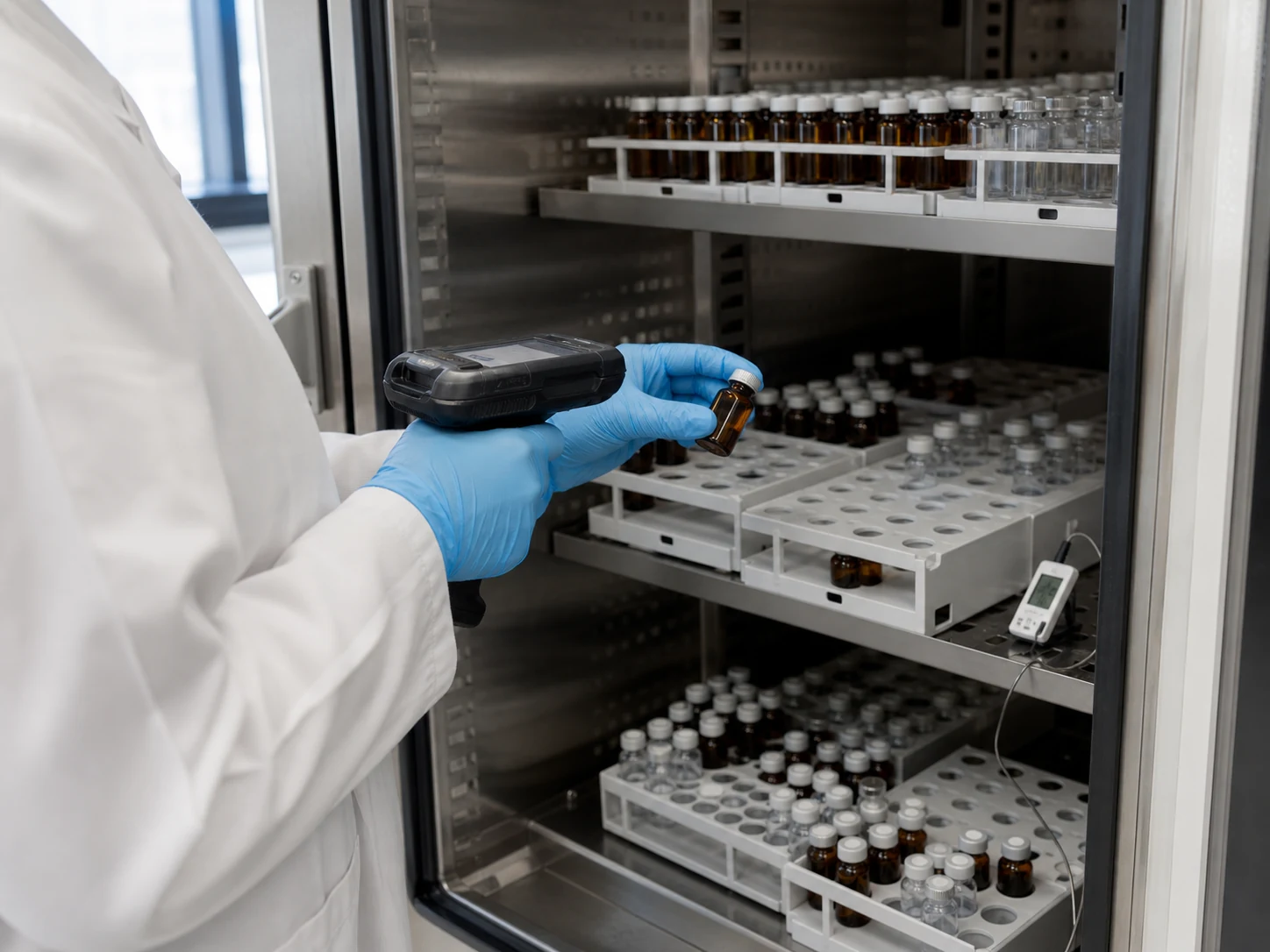
Internal validation has demonstrated consistent and repeatable performance across controlled evaluation environments relevant to pharmaceutical applications.
Held under heat, light, oxidation and pH stress, the stabilized compound retains its structure through the evaluation period.
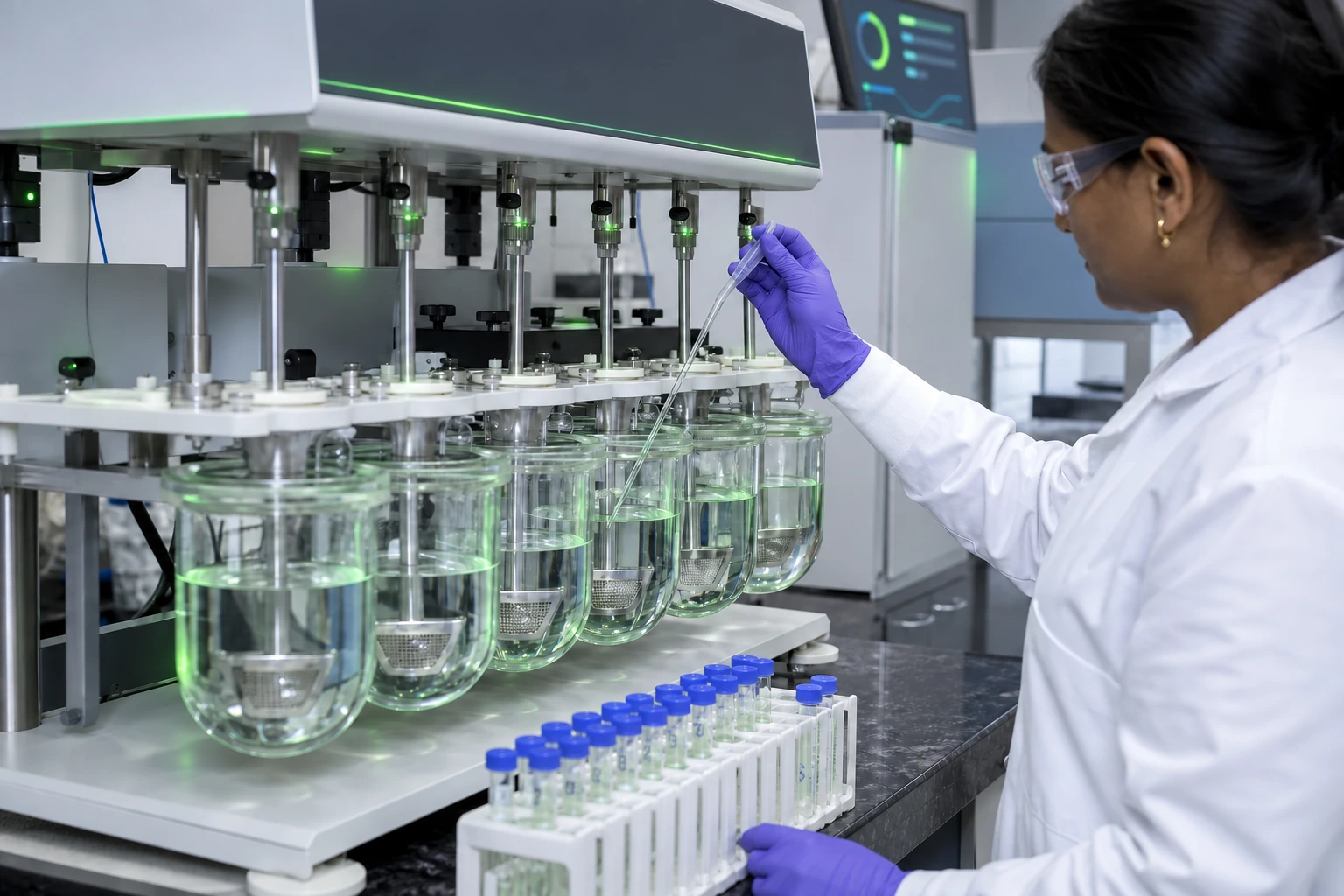
Release and uptake behavior stays within a tighter band across repeat runs rather than varying batch to batch.
Deliberately altered and substituted units were identified at the product level during controlled evaluation.
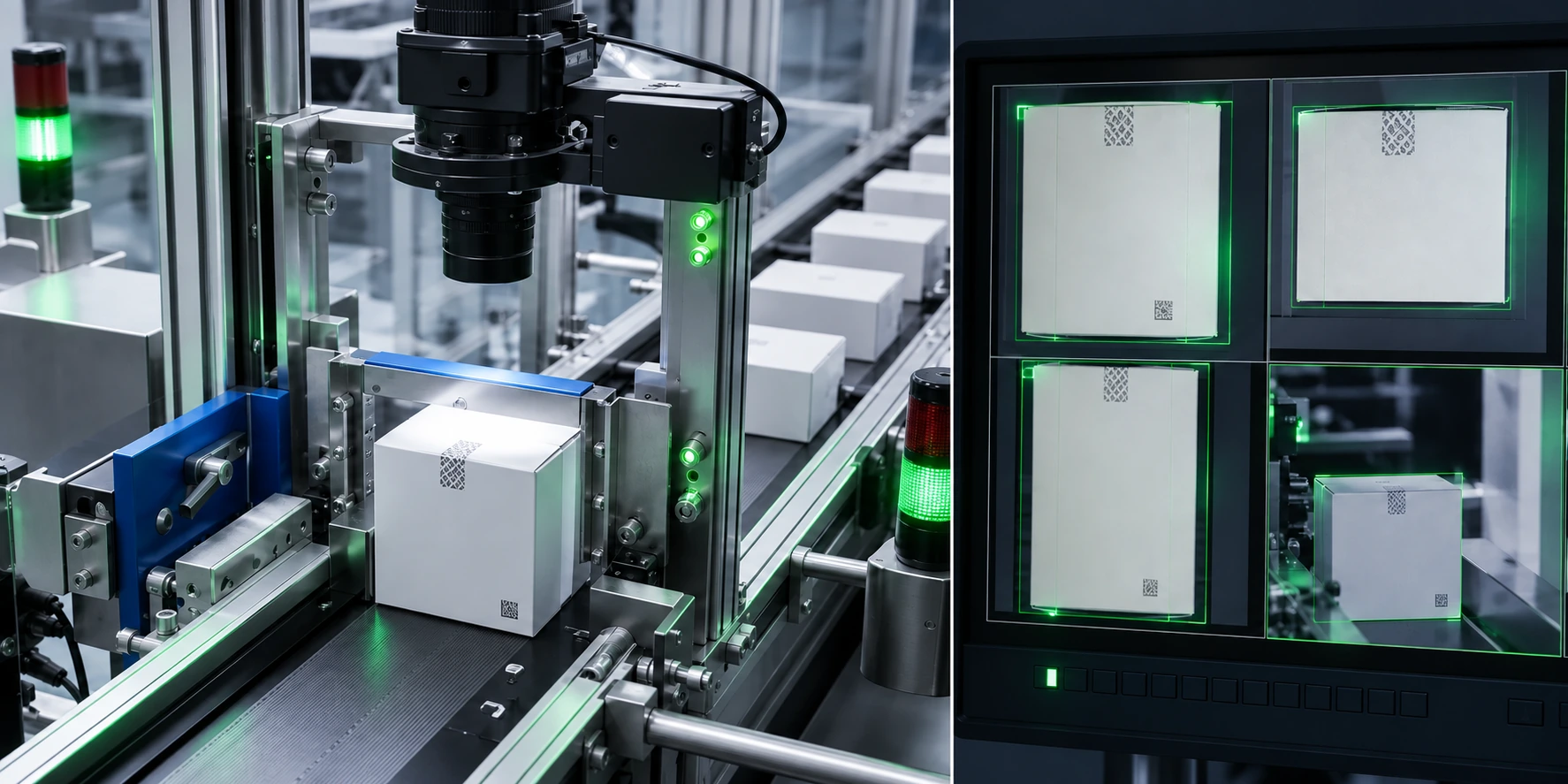
The same result holds when conditions, operators and equipment change, which is what makes the method transferable.

Functional activity is preserved across extended timepoints, not only at the moment of formulation.

Run together, the two engines form one Pharmaceutical Integrity Platform addressing both core dimensions of pharmaceutical reliability. Run alone, each still does its own job in full.
From formulation through end use, both performance and identity are maintained.
Engine One reduces input variability while Engine Two reduces supply chain and counterfeit risk.
Partners and regulators gain confidence in both what the product does and what it is.
Detailed technical information, validation data, and platform architecture are available under appropriate confidentiality agreements.
Yes. Each is independently deployable and licenses on its own. Engine One can be licensed for a drug development program alone. Engine Two can be deployed across manufacturing, distribution and regulated supply chains alone.
Integrated, they cover both what a product does and what it is. Engine One reduces the variability that undermines performance, Engine Two removes the doubt about identity and origin, and together they hold consistency from formulation through end use.
Internal validation has demonstrated preservation of compound integrity under degradation-inducing conditions, improved consistency in pharmacokinetic-related outcomes, reliable detection of controlled inconsistencies, and repeatable system behavior across varied test conditions.
Detailed technical information, validation data, and platform architecture are available under appropriate confidentiality agreements. Use the Contact page to request access.